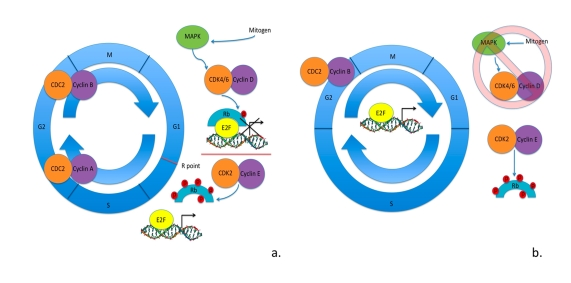
Figure 1.Cell cycle in somatic cells vs. ESCs. (a) Cell cycle regulation
in somatic cells: mitogen signaling through MAPK pathway activates cyclin D
- CDK4/6 kinase activity hypophosphorylating Rb family member proteins.
Hypophosphorylated Rb family member proteins bind to E2F transcription
factors blocking the transcription of E2F-regulated genes. To surpass the
R point cyclin E - CDK2 kinase activity is activated hyperphosphorylating
Rb family member proteins. Hyperphosphorylated Rb family member proteins
are unable to interact with E2F factors, allowing them to activate
transcription of genes necessary in the progression of cell cycle. (b)
Cell cycle regulation in ESCs as is currently understood. Mitogen
signaling through MAPK pathways seems to be irrelevant in the progression
of cell cycle. There is cell cycle-independent expression of cyclin E -
CDK2 maintaining the hyperphosphorylated levels of Rb family member
proteins. This results in cell cycle-independent expression of
E2F-regulated genes. Cyclin B - CDC2 is the only CDK activity that appears
to be regulated by the cell cycle. ESCs have shortened gap phases and an
elongated S phase of the cell cycle, with an apparent lack in the R point
for G1-S transition.